



Why Letting Your Money Sit Might Be Quietly Costing You
You check your bank account.
The number looks solid. Safe. Responsible.
You think: “At least my money isn’t going anywhere.”
But here’s the uncomfortable truth:
👉 It is going somewhere… just not in the direction you want.
Because while your money is sitting still, the world around it is moving—and getting more expensive.

The Comfort of Cash (And Why It Can Mislead You)
It’s natural to think:
- “Markets are volatile—better safe than sorry.”
- “The economy feels unstable. I don’t want to risk it.”
- “As long as my money stays untouched, it can’t lose value.”
Sound familiar? You’re not alone. But here’s the quiet truth many people overlook: while your money is sitting still, it’s losing value.
1. Inflation Is Shrinking Your Money (Without You Noticing)
Even if your balance stays the same, your money buys less over time.
Think about it:
- Groceries cost more than a few years ago.
- Gas prices climb steadily.
- Rent keeps rising.
Every year, it loses a little bit of its power. That “safe” feeling? It might be giving you short-term peace of mind, but long-term—it’s costing you.
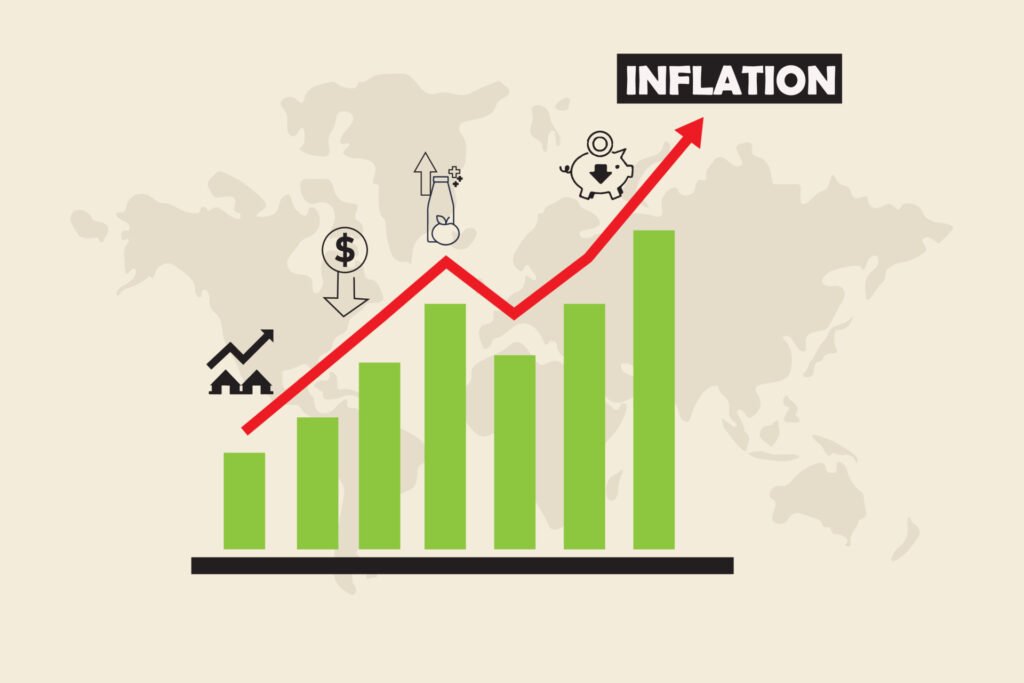
Food inflation, Consumer price index or CPI. Prices of commodities and consumer goods rose due to rising inflation saving decrease. Inflation Vectors by Vecteezy
2. Your “Safe” Money Isn’t Actually Growing
Your “safe” cash might feel like a victory in the short term, but in the long run, it’s quietly shrinking. Most traditional savings accounts offer minimal interest—often far below inflation.
While your money is sitting still, inflation is quietly eating away at its value. Prices are rising, interest rates on savings accounts are barely moving, and meanwhile—opportunities to grow your wealth are slipping by.
In other words, doing “nothing” might be costing you more than you realize. So, if you’ve been playing it safe without asking what your cash is really doing for you (or not doing) … it’s time to rethink the strategy.
3. The Hidden Cost: Missed Opportunities
By avoiding investments altogether, you may be taking on a different type of risk: opportunity cost. While your money naps, the market moves forward. Compound interest, dividend gains, and portfolio growth all pass you by.
When your money’s just sitting in a savings account, it feels like it’s protected. You can see it, access it anytime, and there’s zero chance of losing it in a market dip. But here’s the quiet truth a lot of people miss: your money isn’t growing—it’s shrinking.
Even though the number in your account stays the same, what that money can actually buy you is going down thanks to inflation.

“But I don’t want to lose money.”
No one does. But avoiding all risk isn’t the same as being smart with your money. In fact, sometimes avoiding risk completely is the riskiest move of all.
4. “I’ll Invest Later” Is More Expensive Than You Think
A lot of people delay investing because they’re waiting for:
- The “right time”
- More knowledge
- More money
- More certainty
But here’s the reality:
👉 Time in the market beats timing the market.
Every year you wait is a year of:
- Lost compounding
- Missed growth
- Delayed progress
And that delay? It adds up fast.

5. Wealth Comes From Ownership—Not Just Saving
Here’s the truth many people miss: wealth isn’t built on labor or saving alone—it’s built on ownership. Owning assets that appreciate over time and generate cash flow lets your money work for you, even when you’re not actively working.
Owning appreciating assets that generate cash flow allows your money to work for you, even when you’re not actively working. Examples include:
- Stocks
- Real estate
- Dividend-paying investments
- Other income-generating assets
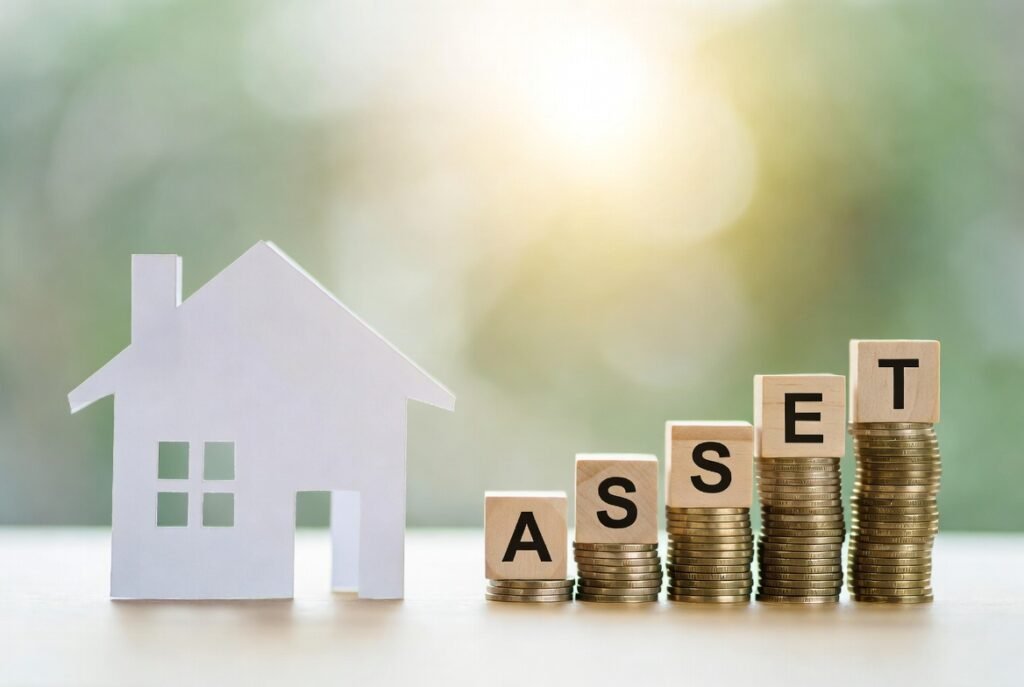
The key is putting your money into opportunities that earn, grow, and compound, rather than leaving it idle.
So What Should You Do Instead? (Without Overcomplicating It)
You don’t need to flip your entire financial life overnight.
Start simple:
- Keep an emergency fund (3–6 months of expenses)
- Identify excess cash sitting idle
- Start investing small amounts consistently and Diversify your portfolio – Don’t put all your eggs in one basket. Check out our ETFs 101 guide to learn how exchange-traded funds can help you diversify easily.
- Automate contributions – Make investing a habit.
- Use tax-advantaged accounts – TFSA, RRSPs, FHSAs can boost growth.
- Focus on assets that grow – Look for investments that appreciate and generate cash flow.
Even modest adjustments can make a meaningful difference over time
The Bottom Line:
At the end of the day, keeping money in cash isn’t wrong. Having liquidity and a safety net is important. But the real question is: how much of your money is sitting still when it could be moving you forward?
Your money should work as hard as you do. If it’s been on the sidelines, now is the perfect moment to rethink your plan and start putting it to work—earning, growing, and building real wealth.
Explore our full library of investing guides, tools, and beginner resources at ReadySetInvesting Guides & Resources to continue building your financial knowledge.